Godysun: A Premium Display Font for Arabic & Islamic Craft Projects
If you design physical products—whether it’s hand-poured candle labels, wedding welcome boards, boutique gift tags, or printable Ramadan wall art—you know how much a font can shape perception. Godysun isn’t just another decorative typeface. It’s a thoughtfully crafted display font built for authenticity, elegance, and commercial clarity in Arabic and Islamic design contexts. As someone who’s printed hundreds of labels, cut thousands of vinyl stickers, and shipped custom invitations to global customers, I’ve learned that the right font doesn’t just look beautiful—it communicates reverence, craftsmanship, and intention.
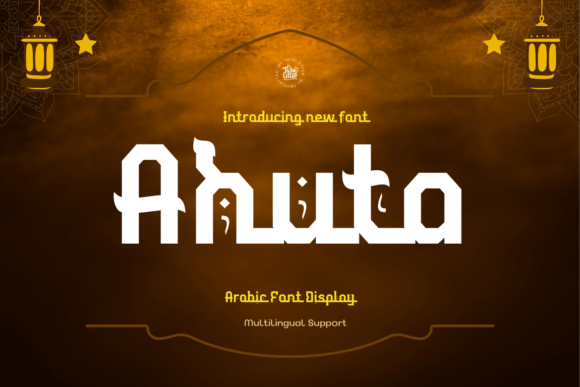
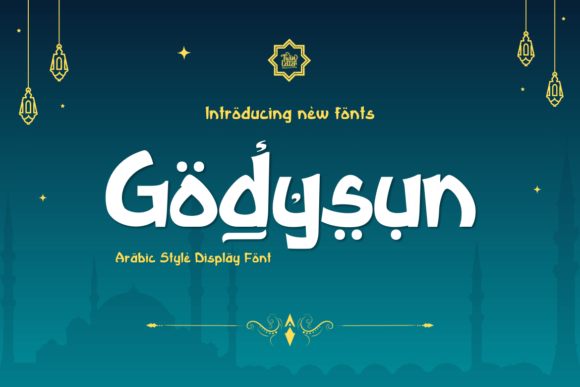
Godysun carries a graceful balance: its letterforms honor traditional Arabic calligraphic rhythm while embracing clean, modern proportions. The strokes flow with subtle contrast—neither overly ornate nor starkly minimal—making it highly legible at small sizes (think 8–10pt on product tags) and commanding at large scales (24+pt on wooden signs or canvas prints). Its visual personality is warm, dignified, and quietly confident—ideal for brands that value heritage without sacrificing contemporary appeal.
I use Godysun most often for projects where cultural resonance matters: Eid greeting cards with gold foil accents, mosque event banners, handmade olive oil bottle labels, Islamic affirmation posters for nurseries, and even embroidered tote bag designs. Because it’s designed as a display font—not meant for body text—it shines brightest in short, impactful phrases: “Bismillah,” “Alhamdulillah,” “Barakah,” “Eid Mubarak,” or personalized names in Arabic script. Its spacing and kerning hold up beautifully across mediums: laser-cut wood signs, heat-pressed mugs, Cricut-cut vinyl decals, and digital printables previewed on Etsy mockups.
For readability on cutting machines, I recommend using Godysun at minimum 14pt for standard sticker sheets (especially matte vinyl), and 18pt or larger for outdoor signage or fabric transfers. Unlike some overly stylized Arabic fonts, Godysun avoids excessive flourishes that cause cutting errors or ink bleed during screen printing. Its outlines are smooth and consistent—no jagged terminals or micro-gaps that confuse Silhouette Studio’s auto-trace or misalign in layered SVG files.
What makes Godysun especially valuable for sellers is its versatility across product categories. On candle jars? It adds quiet luxury to minimalist apothecary branding. On wedding stationery? Paired with a soft serif for English text, it elevates the entire suite—invitations, menu cards, and acrylic table numbers feel cohesive and intentional. For seasonal packaging—Ramadan lanterns, Hajj journals, or Eid gift boxes—it delivers instant thematic recognition without cliché. Even in digital downloads like printable prayer planners or Quran journal pages, Godysun lends spiritual weight to headers and section dividers.
Font pairing is where Godysun truly comes alive. I often combine it with a clean, neutral sans serif—like Montserrat or Poppins—for bilingual layouts (Arabic headers + English subtext). For wedding suites, I’ll pair it with a delicate handwritten font for names or dates, letting Godysun carry the ceremonial weight while the script adds personal warmth. When designing boutique tags or product hangtags, I’ll set Godysun in bold for the brand name and drop to a light-weight serif for ingredients or care instructions. The contrast feels intentional, not accidental—and customers notice that difference.
Inside the Godysun package, you’ll find OpenType features that matter: stylistic alternates for common ligatures (like “لا” or “من”), contextual swashes for elegant title treatments, and multilingual support covering both Modern Standard Arabic and common transliterated terms used in global Muslim communities. File formats include OTF and TTF—fully compatible with Adobe Creative Suite, Cricut Design Space, Silhouette Studio, Canva Pro, and Affinity apps. No missing glyphs, no rendering glitches on Mac or Windows—just reliable, production-ready assets.
Here’s what I keep in mind when using Godysun commercially: it’s licensed for unlimited physical product use—so yes, you can sell mugs, shirts, notebooks, and candles with Godysun lettering. You can embed it in digital templates, SVG bundles, Canva-compatible printables, and client-branded social media graphics. You can even license it for white-label packaging design work—as long as your end clients aren’t redistributing the font file itself. That clarity saves me hours of legal back-and-forth with boutique owners and event planners.
One real-world example: last month, I redesigned the label system for a small halal spice company. Their old labels used a generic Arabic font that looked pixelated at 12pt and lacked cultural nuance. Switching to Godysun—set in bold at 16pt with a crisp sans-serif secondary font for origin notes—immediately elevated shelf presence. Customers commented on the “calm confidence” of the typography, and wholesale buyers noted improved brand cohesion across their online store and farmers’ market displays.
Godysun works because it respects the craft behind the product. It doesn’t shout. It invites. It honors tradition while fitting seamlessly into modern workflows—from SVG exports for vinyl cutters to high-res PDFs for letterpress printers. Whether you’re launching your first Etsy shop or scaling a full-line stationery brand, this display font gives your Arabic and Islamic designs the dignity, clarity, and quiet distinction they deserve.